Shade Before Cooling: Verandahs, Ramadas, and Deep Overhangs Across Both Regions
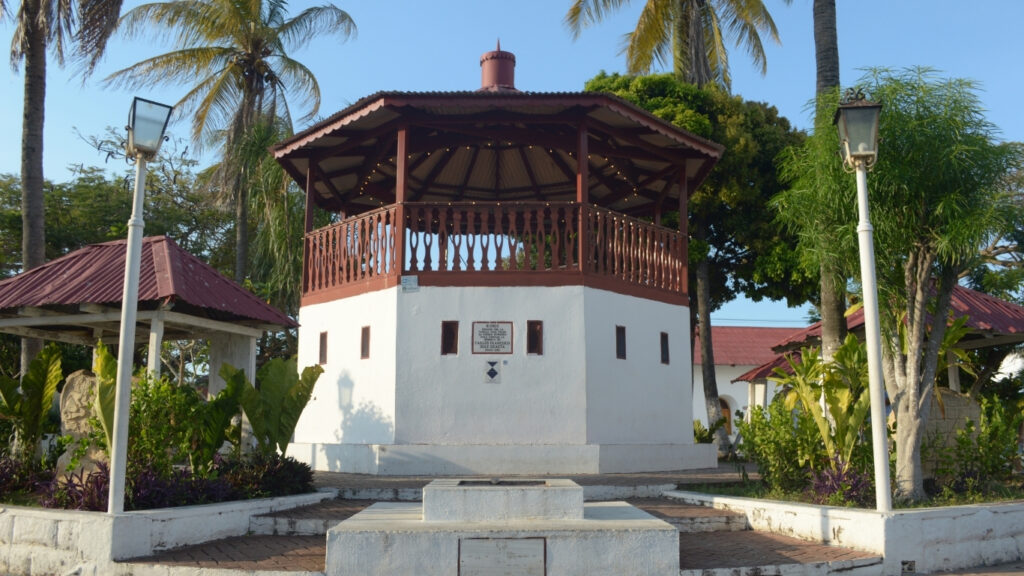
In Chandler, you can feel the value of shade before you know anything about the building. A wall that has been in direct afternoon sun is hot to the touch, while the same wall under a deep roof edge stays noticeably cooler. Keeping that sun off the surface means there is less heat for the interior to deal with later.
The same idea runs through The Cottage Register, even though Minahasa and Arizona handle it differently. In the highlands, a roof edge also has to deal with rain. In the Sonoran Desert, the stronger concern is direct solar heat. In both places, the first useful move is to keep the building shaded before relying on mechanical cooling.
The Highland Verandah
A Minahasan verandah gives the cottage a covered place between the enclosed room and the garden. You can step outside without stepping straight into rain or midday sun, which matters in a climate where the weather can change quickly. The roof simply continues far enough to make that strip of outdoor space useful.
Deep eaves throw rain farther from the timber walls and keep some direct sun off the windows. The protection is part of the roof itself, not something added after the cottage is finished.
The verandah also makes the garden easier to use throughout the day. Morning light can reach the open side, while the roof keeps the stronger sun off the wall later on. In a small cottage, a few feet of covered space can change how much time people spend outside the enclosed room.
Shade in the Sonoran Desert
Around Chandler, the west side of a small building can take hours of hard afternoon sun. Large windows there make the problem worse because the low sun reaches the glass when the day is already at its hottest. A deep overhang helps where the sun angle allows it, but the building may need to be turned so the most exposed wall carries less glass.
A ramada provides shade without enlarging the conditioned interior. It can stand beside the casita and cover an outdoor sitting area. Placed close enough to the building, it can also keep direct sun off part of a wall or entrance.
On an older Chandler lot, a mesquite or palo verde may already protect one part of the yard in late afternoon. A small casita can sometimes be shifted toward that shade instead of clearing the spot and trying to replace the tree with another structure.
Where the Building Sits
Orientation has to be considered before construction because the roof can only shade the walls and windows it actually reaches. In Minahasa, the cottage may be positioned for morning light while keeping the enclosed room protected later in the day. The verandah and eaves then work with that placement.
Arizona needs the same kind of forethought for a different sun path. A casita with a broad west-facing wall will receive more afternoon heat than one turned away from that exposure. Window placement matters for the same reason. A smaller opening on the hot side may do more for comfort than adding another layer of cooling equipment later.
Because cottages are compact, there is often some freedom to shift them within the available part of a lot. A few feet may change which wall sits in shade after lunch or whether an existing tree can stay. Those choices are easiest to make while the building is still being laid out.
When Shade Reaches the Framing
For a verandah, the roof projection and its supports have to be sized as part of the structure. A separate ramada needs its own footing and a clear position beside the casita. These choices belong in the drawings before framing starts.
Window positions also have to agree with the shade plan. If an overhang is meant to protect a window, its depth and position have to match the opening below. Moving that window after the framing is underway is much harder than moving it on the drawing.
This [STAGE 2 LINK → Page 10 | Chandler, AZ detached casita project] carries those decisions into the rest of the build. The casita still needs a workable place on the lot, but shade and orientation are already part of that choice before the foundation and roof are built.
Minahasa and Arizona use different forms because the climates are different. In either place, shade is part of the building from the beginning, so mechanical cooling has less work to do later.