The Detached Cottage: Why Warm Climates Build Small, Separate, and Shaded
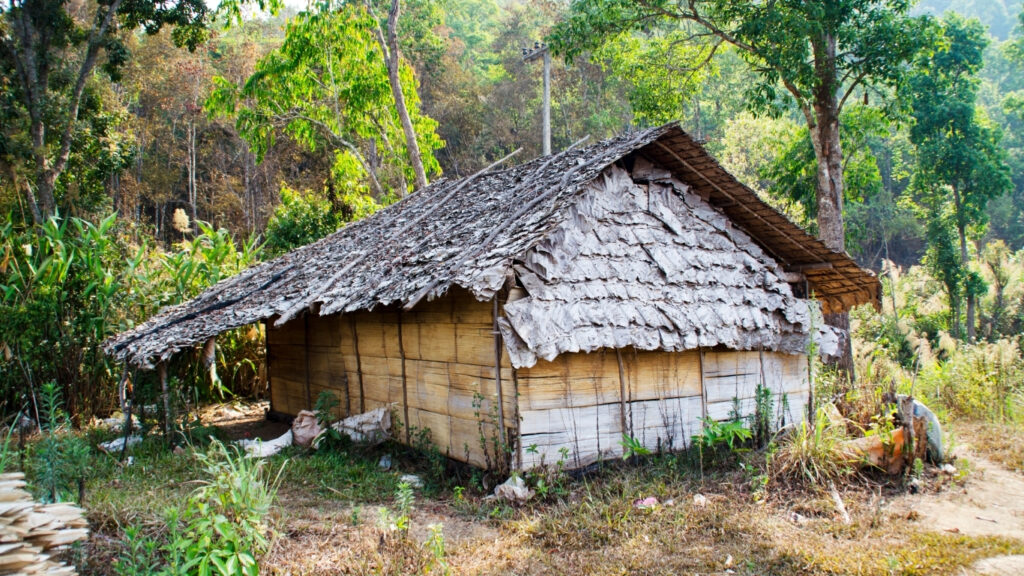
A detached cottage is a small building that stands apart from the main house. It usually has one clear purpose. In one home, it may be a guest room. Somewhere else it may be used for work. Because it stands on its own, the cottage can be positioned for the site instead of being forced into the shape of the larger house.
We first became interested in that shape in the Minahasa highlands, where small wooden buildings sit apart from the main house and close to the garden. Back in Arizona, the casita brought the same idea into a completely different climate. One place is green, damp, and cooler at elevation. The other is dry, bright, and exposed to long stretches of desert sun.
What Counts as a Detached Cottage
For this site, a detached cottage is small, separate, and useful on its own. It may be a guest room, a workspace, a place for a family member, or something simpler. The use can change, but the building still has air around all four sides and enough distance from the main house to feel independent.
That separation changes how the cottage relates to the property. A room added onto a house has to accept the position and roofline of the house that is already there. A detached cottage can be shifted toward a quieter corner, turned toward gentler light, or placed where an existing tree already gives useful shade.
Why Separation Makes Sense
Warm climates give that extra space between buildings a practical job. Air can move around the cottage instead of meeting one large block of walls. Openings can face more than one direction, which makes it easier to use whatever breeze the site actually gets.
Keeping certain activities separate also has a long history in warm places. Cooking brings heat with it. A small building away from sleeping rooms can keep some of that heat outside the main house. The modern version may be a casita with a kitchenette, but the basic logic is familiar.
Separation also makes a household easier to change over time. A family may need another sleeping room, a quieter place to work, or space for someone who wants privacy without moving far away. A detached building can answer that need without opening up the main house.
In Woloan, this flexibility goes even further. Wooden houses are built so they can be taken apart, moved, and assembled again elsewhere. It is an unusually literal example of a small building remaining independent from the place where it was first made.
Shade Starts Before the Roof Goes On
What we keep noticing in both regions is that shade works best when it is part of the original placement. A cottage can be turned before construction begins. Its larger openings can face away from the hardest afternoon sun. A verandah, porch, or deep overhang can then protect the wall that needs it most.
This matters in Minahasa and Arizona for different reasons. In the highlands, deep eaves help keep sun and rain away from the timber walls, while the cottage can be raised above damp ground. In the Sonoran Desert, the problem is harder solar exposure. Shade needs to stop direct heat before it reaches the windows and walls.
A small footprint makes those decisions easier. Moving a whole house a few feet on a plan can cause problems elsewhere on the lot. Moving a cottage may be enough to keep an existing tree, open a view into the garden, or avoid putting the broadest wall toward the afternoon sun.
Two Places, the Same Basic Idea
The Minahasa cottage and the Arizona casita do not look alike because they do not need to. Their materials, foundations, and details answer very different conditions.
What connects them is the decision to stay small and separate. In Minahasa, the building can sit among planted space and respond to damp ground, rain, and air. In Arizona, the casita can be positioned around sun, shade, and the open yard around the main house.
That is the starting point for The Cottage Register. The later pages get into gardens, timber construction, room layouts, desert casitas, and shade in more detail, but they all begin with this building type: a modest structure with enough independence to respond to the place around it.